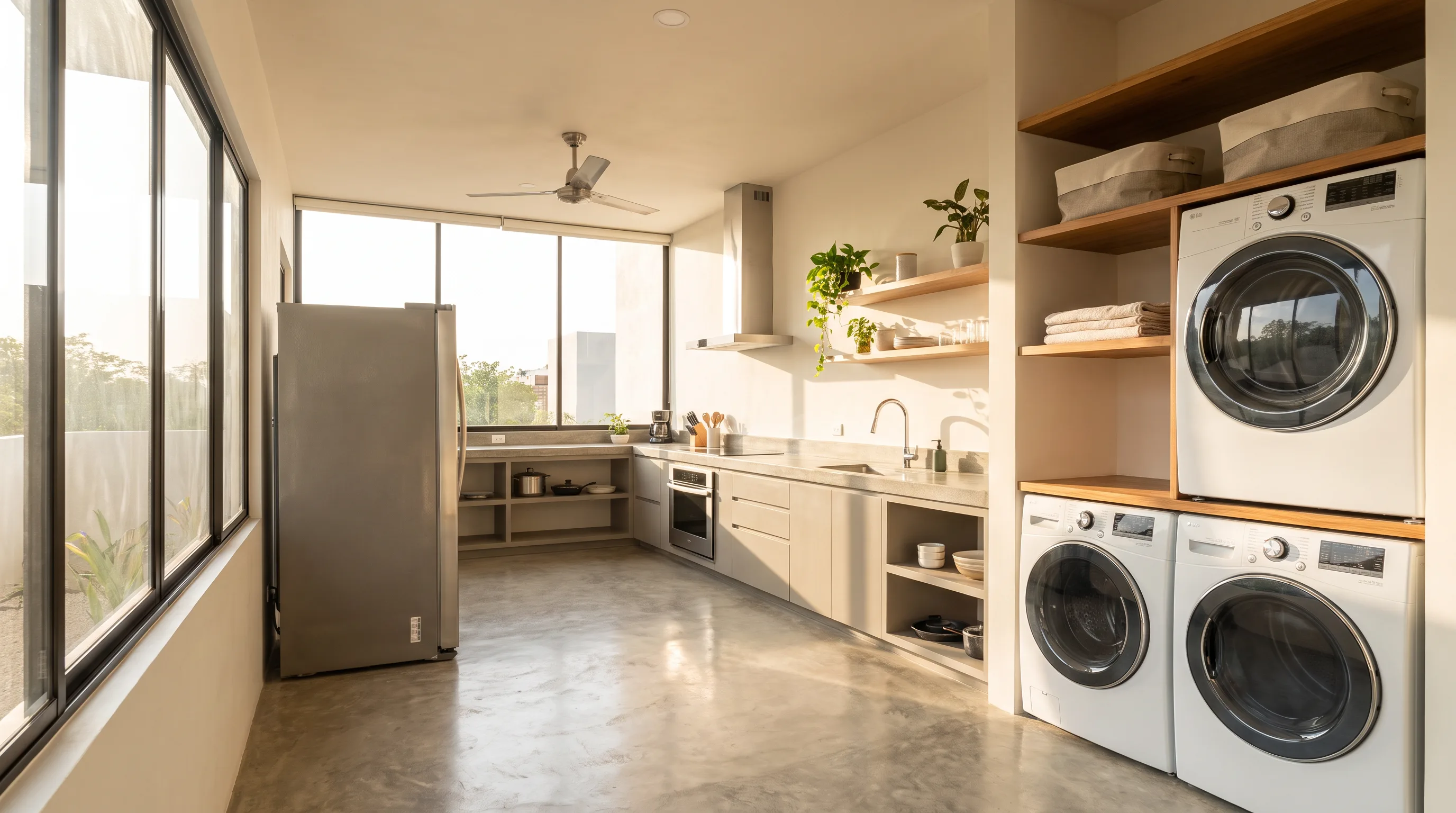

Wide bright kitchen and laundry area
A field guide for the ordinary home

Care notes for the machines that keep a home steady.

A calm, safety-first maintenance atlas for refrigerators, cool cooktops, boilers, and gas water heaters. Notice, document, and pause when a condition belongs with a qualified professional.

The seasonal strip

A year in quiet checks

Small observations have a season; diagnosis and gas work do not belong in a home checklist.

Early yearObserve seals, shelves, and clear airflow paths.
Warm monthsKeep ventilation routes visibly clear and dry.
Before cool weatherReview professional service guidance for fuel appliances.
Year closeMake a local note of changes worth discussing.
Core pages, arranged as terrain

Read the appliance, then read the room.

The useful first step is often visual: clearance, cleanliness, sound, odor, and consistency. The cards below intentionally stop before diagnostic or repair instruction.

Cleaning a refrigerator door gasket
Cold storage / 01

Refrigerator edges & interior

A dry, clean gasket and uncluttered interior make it easier to notice a change. Record persistent moisture, unusual cycling, or door-closing changes rather than trying to compensate for them.

  • Look at the seal without pulling or altering it.
  • Keep shelves and air channels easy to see.
  • Pause if a concern repeats or worsens.

Cool surface / 02

Cooktops are observed only when switched off and cool.

A calm check is about surface condition and surrounding ventilation—not flame behavior, gas fittings, or internal parts.

Stored water / 03

Boiler space should remain visible.

Do not block access or try to adjust piping. A clear view supports safe observation and a better professional conversation.

Clean refrigerator interior
Atlas cue: “Clean” is useful when it means clear enough to notice what changes.

A cherry alert is a stop sign, not a task list.

If you notice a gas odor, a suspected leak, damage, overheating, smoke, or a carbon-monoxide concern, move to safety, follow local emergency guidance, and use a qualified professional. Do not test, disassemble, or troubleshoot fuel connections.

Read safety Q&A
Four perspectives / keep it local

A maintenance atlas, not a repair manual.

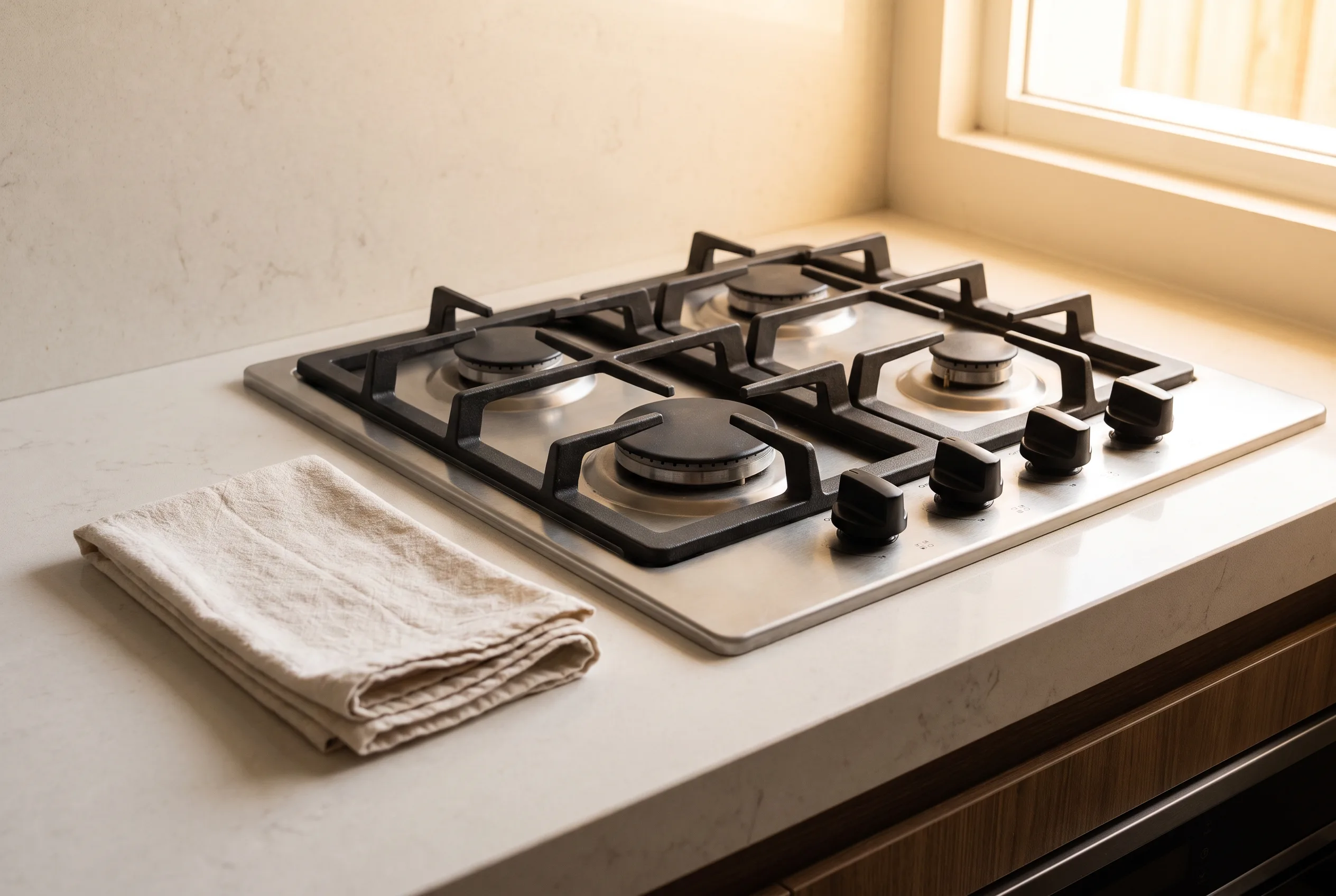
Cool switched-off gas cooktop
Surface

Cool cooktop context

Only clean after the surface is fully cool and do not handle gas-related components.

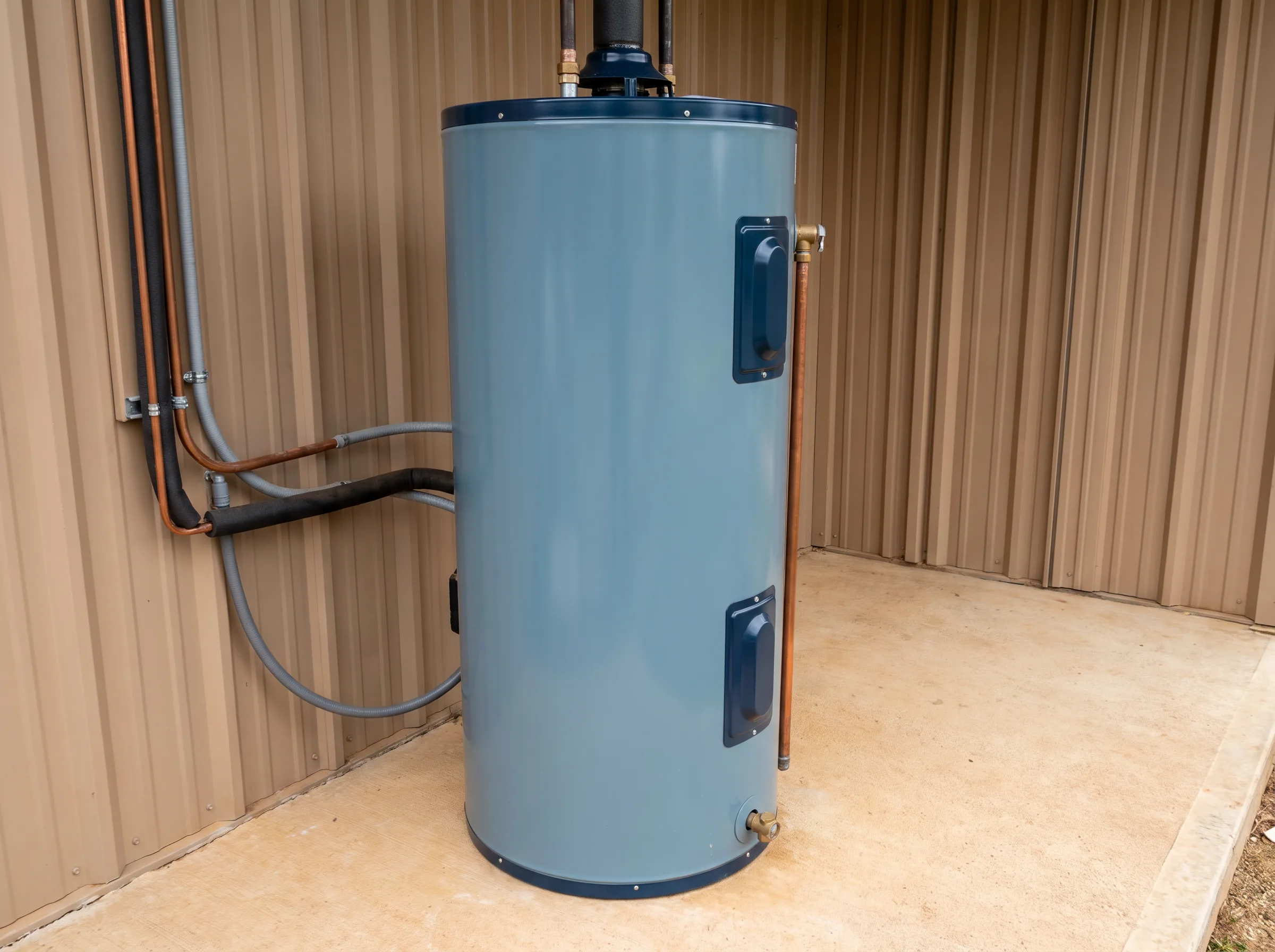
Storage boiler with clear surrounding space
Clearance

Boiler exterior

Look for a tidy, accessible exterior; leave service needs to trained technicians.

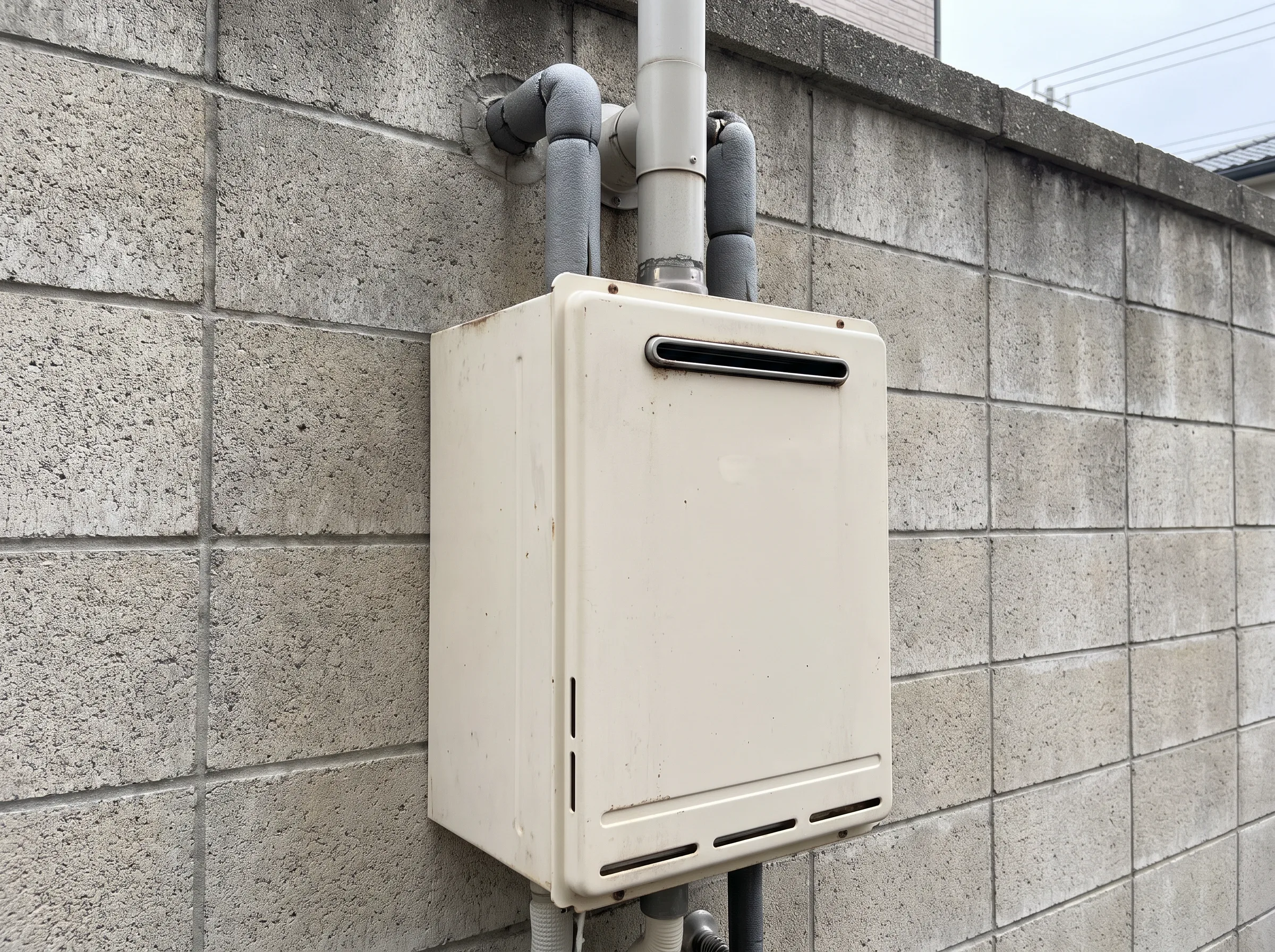
Wall-mounted gas water heater exterior
Fuel appliance

Gas column exterior

Keep the area open and step away from any suspected gas or combustion concern.

Choose an atlas card

Different rooms, different sight lines.

Switch between high-level observation contexts. These are prompts for looking carefully, not instructions to intervene.

Cold storage

A clean interior is an observation surface.

Use ordinary cleaning only as permitted by the maker. Keep a clear visual path to shelves, door edges, and intended vents; write down a repeated concern instead of changing settings at random.

Orderly refrigerator interior
Room context

Ventilation needs room to be seen.

A visual check can confirm that surrounding airflow paths are not obscured. It cannot confirm safe combustion or appliance operation, which is why fuel-appliance concerns require qualified review.

Clean wall ventilation grille
Reference first

Read before you decide what is ordinary.

The appliance documentation and a qualified technician are the references for compatibility, service intervals, parts, and adjustment. A simple local note helps you describe what you observed.

Person calmly reading an appliance manual
Atlas filter

Browse a small, safe scope.

Observe

Door closure

Notice a change, then record it.

Ordinary cleaning

Cool cooktop surface

Only when fully switched off and cool.

Observe

Room clearance

Keep appliances easy to see.

Professional boundary

Fuel appliance concern

Do not diagnose, test, or adjust.

Tiny checklist

Count what you notice.

0
marked
Organized household tool workbench
Prepare a clean viewing space, not a repair setup.
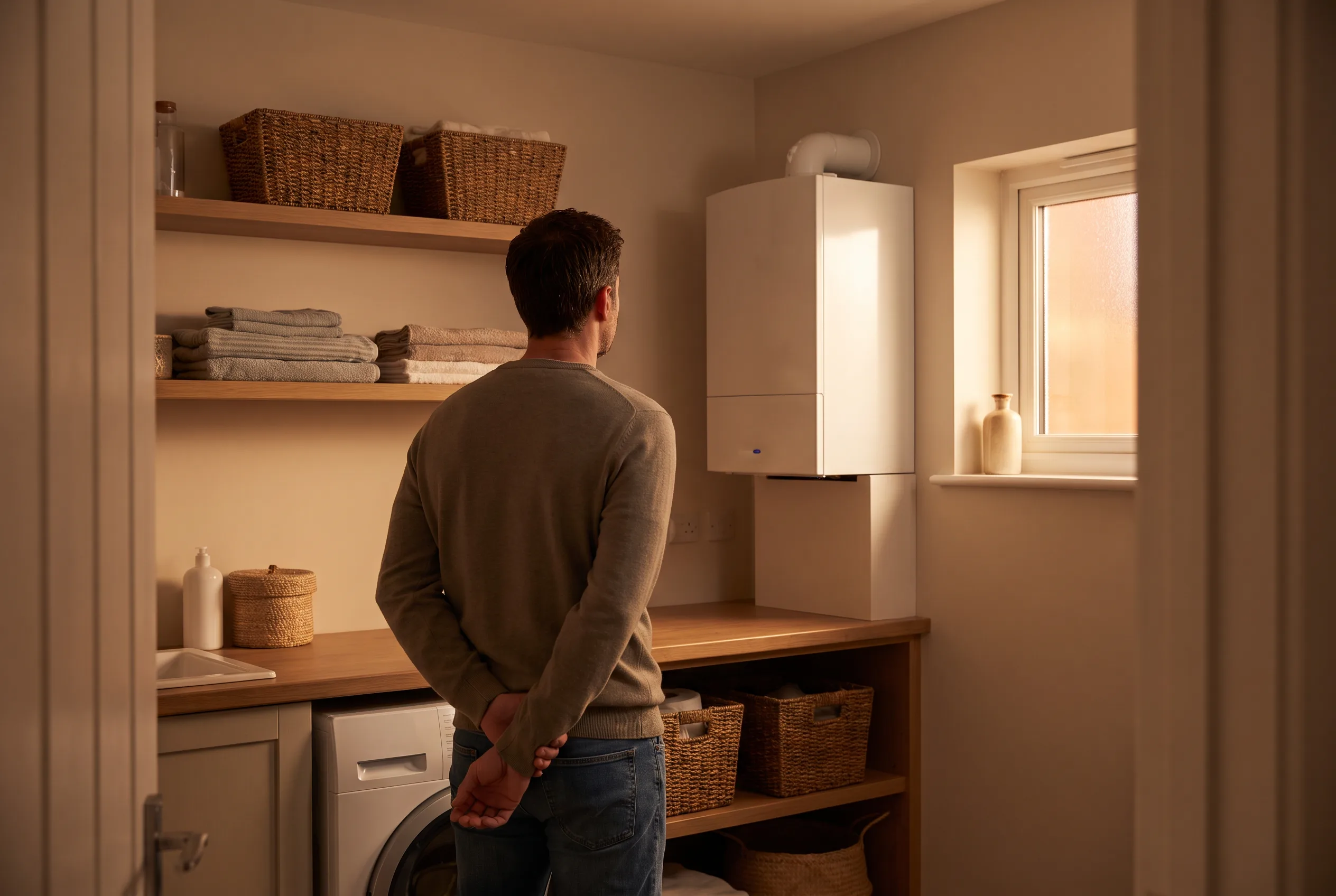
Person visually observing a boiler
Stand back; observation is enough.
Clean ventilation opening
Clear paths help you notice change.
A calm FAQ

Safety stays bigger than the to-do list.

Expand a question for the boundary behind each note.

Gas and combustion systems can create risks that are not visible or safely evaluated through a general web checklist. A household note can help someone describe when a condition began, but it cannot determine cause, verify safety, or replace the instructions of the appliance maker, local emergency guidance, or assessment by a qualified professional.

Write the appliance category, the room, when you first noticed the change, whether it repeated, and what you could safely see from the exterior. Avoid testing a suspected fault or changing equipment settings to “see what happens.” A short dated observation gives a technician useful context without asking you to take on diagnostic work.

No. Gentle ordinary cleaning in a maker-approved, cool, and accessible area may support a tidy environment, but it does not inspect internal systems or confirm operation. Maintenance and service requirements differ by model and energy source. Use the appliance documentation for permitted care, and defer parts, connections, adjustments, and recurring concerns to appropriate professionals.

Share the model documentation if available, the location of the appliance, a concise timeline of the exterior changes or symptoms you observed, and any safety concerns. If there is a gas odor, possible leak, smoke, overheating, or carbon-monoxide concern, prioritize immediate safety and local emergency guidance instead of waiting to assemble a detailed maintenance record.

Local notebook / no transmission

Make a browser-only observation draft.

This form stays in your current browser through local storage. Nothing is sent, shared, booked, or monitored.

Prefer email? [email protected]

Person reviewing a manual before making a note

Nothing sent. No account, contact request, booking, or payment is part of this form.